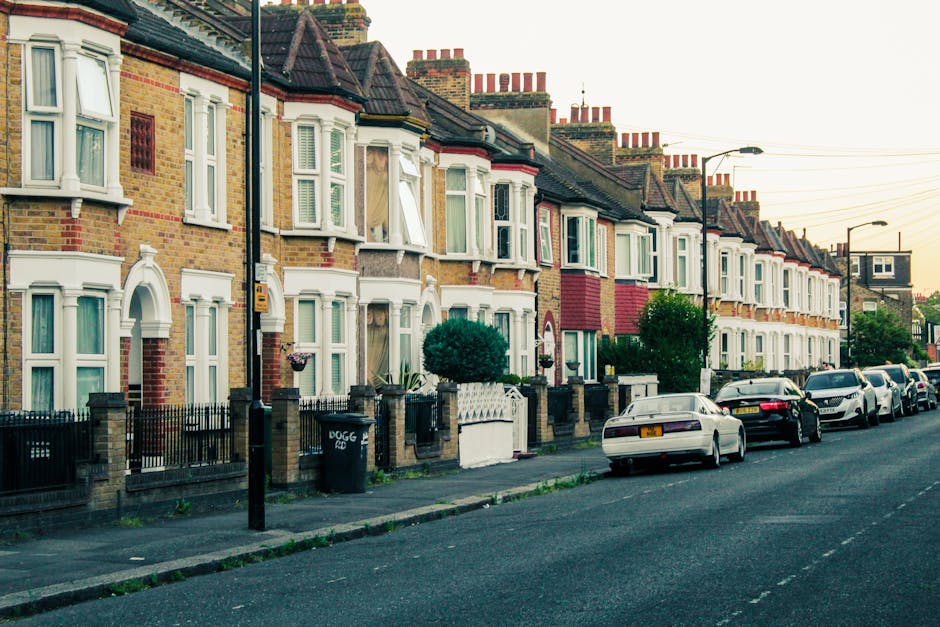
Tooting Broadway removals for narrow streets and stairs
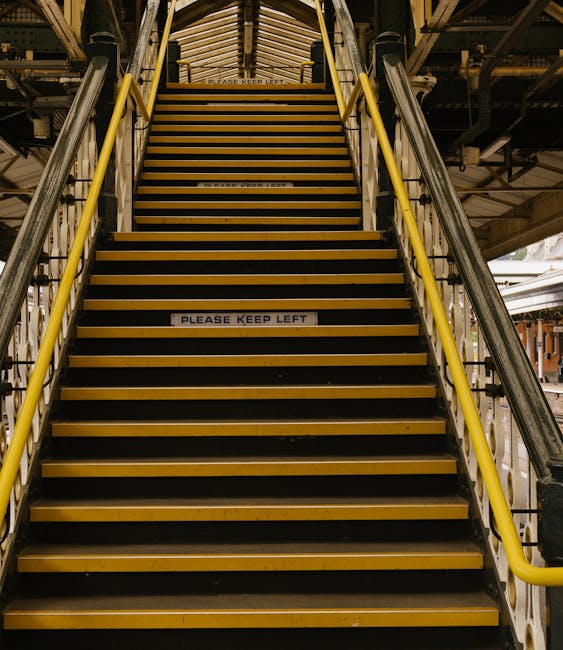
Moving house or flat in Tooting Broadway can be straightforward on paper and frustrating in real life. Narrow streets, tight turns, shared entrances, awkward stairwells, and first-floor flats with no lift all change the way a removal has to be handled. That is exactly why Tooting Broadway removals for narrow streets and stairs needs a more careful, more local approach than a standard move across wider suburban roads.
If you have ever tried carrying a sofa around a corner that looks fine until you actually reach it, you will know the feeling. One wrong move, and suddenly the day is louder, slower, and more stressful than it should be. The good news? With the right planning, the right vehicle, and a crew that understands access properly, these moves can be managed cleanly and with far less drama than people expect.
This guide explains how narrow-street and stair-heavy removals work, what to check before booking, which services can help, and where people commonly go wrong. It is designed to be genuinely useful whether you are moving a compact flat, a family home, or a single bulky item up a difficult staircase.
- Why access problems matter in Tooting Broadway
- How narrow-street and stair removals work
- Benefits of a specialist approach
- Who this kind of move suits
- Step-by-step moving guidance
- Expert tips for a smoother move
- Mistakes that cause delays or damage
- Tools and practical resources
- Best practice, safety, and compliance
- Options and method comparison
- Real-world example
- Checklist before moving day
- Final thoughts
- Frequently asked questions
Why Tooting Broadway removals for narrow streets and stairs Matters
Tooting Broadway has the kind of access that can make removals deceptively tricky. Streets can be busy, parking can be tight, and many properties include staircases that are narrow, steep, or awkwardly shaped. In a place like this, the difference between a smooth move and a stressful one often comes down to a few inches, a few minutes, and a bit of local judgment.
Why does it matter so much? Because access affects almost every part of the job: the size of vehicle that can stop safely, how long loading will take, how many people are needed to carry items upstairs, and whether furniture can be moved intact or needs partial dismantling first. A move that looks small on the booking form can quickly turn into a logistical puzzle once you see the hallway.
That is also why a generic removals service is not always enough. If the team has not dealt with tight turning circles, upper-floor flats, or narrow terraced access before, they may underestimate the time, manpower, or equipment needed. And honestly, that is when the day starts to slip. Not catastrophically. Just enough to be annoying.
A good removal plan in this part of London starts with access, not with boxes.
How Tooting Broadway removals for narrow streets and stairs Works
A well-managed move in a restricted-access area usually follows a simple logic: assess, plan, protect, carry, load, and check. The details matter. A lot.
The first stage is an access review. This may happen over the phone, by photos, or during a pre-move visit. The aim is to understand the width of the street, whether a van can park close enough, whether there are steps from pavement to front door, and what the staircase looks like inside. A split-level stairwell or a half-landing can be the real challenge, not the front door itself.
Next comes route planning. The removal team needs to know where to park, how far items will be carried, whether there is enough room to angle large furniture, and whether items such as wardrobes, beds, mirrors, or appliances should be dismantled. On busy roads, they may also need to plan around traffic peaks and loading restrictions. Even a short move can become a timed operation.
Then the physical work begins. This usually means fitting blankets, using straps, protecting corners, and moving items in the right order. Bigger furniture is often taken out first if the stairs are easier earlier in the day, or last if the property layout means there is more working space after smaller items are cleared. There is no magic trick here. Just method.
If needed, teams may use a man and van setup for smaller, tighter jobs, or a larger vehicle for heavier home contents if the street allows it. For especially awkward furniture, a service such as furniture removals can be helpful because bulky items can be handled with the right wrapping and lifting approach from the start.
In some moves, access is so limited that the team needs to split loads between a van and a shorter carry distance. In others, the staircase itself is the main issue, and the vehicle is the easy part. Either way, the method changes with the property, not the postcode alone.
Key Benefits and Practical Advantages
Choosing a removals service that understands narrow streets and stairs brings more than convenience. It reduces physical risk, protects property, and keeps the move moving at a sensible pace.
- Less risk of damage: Tight hallways and stair turns are where scrapes happen. Careful planning and protective materials make a real difference.
- Better time control: When the carrying route is known in advance, the team can budget time properly instead of guessing.
- Safer lifting: Stairs and awkward angles are hard on backs, knees, and wrists. A proper team uses technique, not heroics.
- Smarter vehicle choice: Not every job needs a large truck, and not every job can manage with a tiny van. Matching the vehicle to the access saves trouble.
- Less disruption to neighbours: Faster loading and clearer parking plans mean less blocking, less noise, and fewer awkward apologies in the doorway.
There is also a quieter benefit that people often overlook: confidence. When you know the route has been thought through, you are less likely to spend the day worrying about whether the wardrobe will fit or whether the sofa will get stuck halfway up the stairs. And that matters. A lot, actually.
If you are comparing providers, it can help to look at wider support too, such as packing and boxes if you want sturdy materials, or packing and unpacking services if you would rather reduce the load on the day itself.
Who This Is For and When It Makes Sense
Not every move in Tooting Broadway needs a specialist access plan, but many do. This type of removals service makes the most sense if any of the following apply:
- you live in a top-floor or first-floor flat with no lift
- your staircase turns sharply, narrows, or has low headroom
- the street is too tight for easy two-way traffic or large vehicles
- parking is limited near the property
- you have bulky furniture, appliances, or fragile items
- you need the move completed within a smaller time window
- you are moving from or into a shared house with a narrow entrance hall
This is especially relevant for flats and terraced homes, which are common in London areas like this. A move from a compact upper-floor flat is a very different job from a ground-floor collection. In the real world, one extra flight of stairs can double the effort. Not always, but close enough.
Students, renters, small households, and people moving with only a few larger items often benefit from a flat removals service or a flexible removal van arrangement. Larger family moves may suit a more structured home moves service, especially if furniture dismantling and reassembly are part of the job.
For commercial relocations with awkward access, the logic is similar, just with desks, filing, and equipment instead of dining tables. If that sounds familiar, a dedicated commercial moves service may be the better fit.
Step-by-Step Guidance
Here is a practical way to approach a narrow-street, stair-heavy move without making it harder than it needs to be.
- Measure the awkward bits first. Check staircase width, landing space, doorway widths, ceiling height on turns, and any handrail that might obstruct movement.
- Assess street access. Can a van stop close to the property? Is there room to load without blocking traffic? Is parking likely to be an issue at the time you want to move?
- Separate large items early. Make a list of bulky furniture, white goods, mirrors, and anything fragile. It helps the team plan lifting and wrapping.
- Decide what should be dismantled. Beds, table legs, wardrobe doors, and some shelving units often move more safely in pieces.
- Use strong packing materials. Good boxes, tape, wraps, and labels save time and protect items when carrying up and down stairs.
- Book the right type of vehicle and crew. A smaller access-friendly vehicle can be the smarter option where streets are tight.
- Prepare the property. Clear hallways, remove loose rugs, keep pets and children out of the route, and make sure lights are on where needed.
- Keep essentials separate. Documents, chargers, keys, and a kettle usually deserve their own bag. Trust me on the kettle.
- Walk the route on arrival. Before anything moves, point out the staircase, awkward corners, and any fragile surfaces.
- Check items at the end. Once the van is unloaded, look over furniture and boxes before the crew leaves, so any issue can be handled promptly.
That simple sequence keeps the day calmer. It also reduces the chances of discovering, at the worst possible moment, that the sofa was measured on hope rather than tape.
Expert Tips for Better Results
Some moves are smooth because of luck. Most of the good ones are smooth because someone thought ahead. These small details make a surprising difference.
- Use photos, not just descriptions. A picture of the staircase, front door, and street tells a much clearer story than "it's a bit tight".
- Label boxes by room and priority. That makes unloading faster and helps when the team has to work carefully on stairs.
- Protect the route. If your home has painted bannisters, narrow plaster corners, or polished floors, cover them before the heavy lifting starts.
- Keep bulky items near the exit. If possible, stage them in one room before moving day. Less back-and-forth, less fuss.
- Be realistic about the staircase. If a mattress or wardrobe is a tight fit on the landing, it is worth planning that before the van turns up.
- Choose timing wisely. Morning moves often feel easier in busy areas because parking and foot traffic tend to be less chaotic than later in the day.
To be fair, one of the best tips is simply to say what is difficult. People sometimes hold back because they do not want to sound awkward. But this is one day where awkward details save time. A lot of time, in fact.
If the move includes valuables or sensitive items, ask about insurance and safety practices before you book. That conversation should feel normal, not awkward. It is part of doing things properly.
Common Mistakes to Avoid
Most problems in difficult-access removals are not dramatic. They are small mistakes that pile up. Here are the ones that come up again and again.
- Underestimating the staircase. People measure the furniture and forget the turn on the landing. That turn can be the real obstacle.
- Booking the wrong vehicle size. Too large can mean parking trouble. Too small can mean extra trips. Neither helps.
- Not checking parking in advance. If the van cannot stop nearby, the carry gets longer and the day gets slower.
- Packing heavy boxes with no thought for stairs. Boxes that are fine on a trolley can be miserable on a narrow staircase.
- Leaving dismantling until moving day. This is how a tidy plan turns into a slightly frantic one. Not ideal.
- Ignoring fragile route points. Corners, banisters, glass panels, and tight door frames need protection before anything starts moving.
And one more: assuming every removals team works the same way. They do not. Some are much better with flats, upper floors, and access problems than others. It is worth asking direct questions before you commit.
Tools, Resources and Recommendations
You do not need a warehouse full of kit to manage a hard-access move well, but the right basics help a lot. In many cases, the difference between "that was fine" and "that was a slog" is a few practical tools and a sensible process.
- Sturdy boxes: especially for books, kitchenware, and smaller household items.
- Packing tape and labels: simple, boring, essential.
- Furniture blankets and wraps: useful for protecting corners, shelves, and polished surfaces.
- Tools for dismantling: screwdrivers, Allen keys, and a small bag for fixings.
- Door and floor protection: especially if you have narrow hallways or older finishes.
- Storage options: helpful if the access is so tight that you need to split the move over two days.
Sometimes a move simply works better when items are not rushed into the property all at once. In those cases, storage can take the pressure off while you get the new place ready. That can be a real relief if keys are delayed or a staircase is too restrictive for a larger delivery.
For smaller, flexible jobs, a man with a van or man with van service may be enough. For a larger or more structured move, you may prefer a team that offers broader removal services with packing support, load planning, and furniture handling included.
Law, Compliance, Standards, or Best Practice
For removals involving narrow streets and stairs, the main compliance issue is not a dramatic legal point. It is careful, responsible working practice. In the UK, removal jobs should be handled with attention to health and safety, safe lifting, property protection, and reasonable care for other road users and neighbours.
That means planning safe manual handling, avoiding unnecessary strain, keeping pathways clear, and using equipment correctly. If a crew is carrying heavy items up stairs, the team should work in a way that reduces the chance of injury or property damage. That sounds obvious, but obvious is often where jobs go wrong when people are rushed.
Good operators also tend to have clear terms, transparent payment processes, and sensible insurance arrangements. It is worth checking practical details such as payment and security, the provider's terms and conditions, and how they handle issues if something unexpected happens during the move.
You may also want to review a company's approach to responsibility and service standards. Pages such as about us and health and safety policy can tell you a lot about whether the business has thought beyond the basics. That is usually a good sign.
If you need a straightforward place to start the booking process, a trustworthy removals service with clear information is generally easier to deal with than a vague one. Simple as that.
Options, Methods, or Comparison Table
There is no single best method for every narrow-street or stair-heavy move. The right choice depends on property access, volume, timing, and how much you want handled for you.
| Option | Best for | Strengths | Possible limitation |
|---|---|---|---|
| Man and van | Small flats, lighter loads, short carries | Flexible, practical, often ideal for tight streets | May be less suitable for large household moves |
| Full removals team | Larger homes, multi-room moves, bulky furniture | More manpower, better for stairs and heavy items | Can be more than you need for very small moves |
| Storage plus staged move | Delayed access, renovation gaps, awkward timing | Takes pressure off and avoids rushed unloading | Needs extra planning and possible extra cost |
| Specialist packing add-on | Fragile items, limited prep time, busy households | Saves time and lowers packing errors | Not always needed for simple moves |
For student moves, compact loads, and short-notice bookings, a lighter setup can work very well. If that sounds like your situation, student removals is often the most sensible match. For larger household access challenges, a stronger crew and more structured planning usually win out.
Case Study or Real-World Example
Imagine a second-floor flat near Tooting Broadway with a narrow staircase, a bulky bed frame, a two-seater sofa, and a fridge freezer that needs to come down from the kitchen. The street is tight, parking is limited, and the front hallway barely gives two people space to pass. A standard, unplanned move would be frustrating. Maybe worse.
In a well-run version of that move, the team would first confirm where the vehicle can stop, check the stair width and landing turns, and decide whether the bed frame should be dismantled before loading day. The sofa might need protective wrapping and a measured carry angle. The fridge would be emptied and secured before being moved. Boxes would be grouped by room so unloading is not chaotic.
The real difference is pace. Instead of rushing and guessing, the crew moves steadily. One person guides at the staircase, another manages the lower end, and the van is loaded in the right order. No shouting, no last-minute improvisation, no one trapped behind a wardrobe trying to "just tilt it a bit". You know the scene.
That sort of move is not glamorous, but it is exactly where practical removals experience shows itself. The job finishes cleaner, and the property is left in better shape than if everyone had just powered through it.
Practical Checklist
Use this checklist before moving day. It keeps the important bits in one place and helps you catch the awkward details early.
- Measure the staircase, landings, and main doors.
- Check whether the van can park close enough to load safely.
- Take photos of the entrance, stairs, and any tight corners.
- List all bulky furniture and fragile items.
- Decide which furniture needs dismantling.
- Pack heavy items into smaller boxes for easier stair carrying.
- Label boxes clearly by room.
- Protect floors, bannisters, and corners where needed.
- Keep essentials, documents, and chargers separate.
- Confirm insurance, pricing, and move timing before the day.
If you want extra reassurance, ask for a quote that reflects the actual access conditions rather than a general estimate. That is usually the most honest way to do it, and it avoids surprises later.
Conclusion
Tooting Broadway removals for narrow streets and stairs are all about good planning, realistic access checks, and a removal team that understands the local practicalities. Once you account for the street width, the stair shape, the parking, and the size of your furniture, the move stops being a mystery and starts becoming a manageable job.
The big lesson is simple: do not judge the move only by the number of rooms. Judge it by the route as well. That is where the real work lives. And when that part is handled properly, everything else becomes much easier.
Get a free quote today and see how much you can save.
With the right help, even a tight staircase on a busy Tooting Broadway street can feel less like a problem and more like a plan.
Frequently Asked Questions
What makes removals in Tooting Broadway difficult?
The main issues are narrow streets, limited parking, and staircases that are tight, steep, or awkwardly shaped. Those access points affect both speed and safety.
Can a removals van fit on narrow Tooting Broadway streets?
Sometimes yes, sometimes no. It depends on the exact road, time of day, parked cars, and how close the van needs to stop to make loading practical.
Do I need a specialist service for stairs?
If your property has several flights, narrow turns, or heavy furniture, specialist help is usually worth it. It reduces strain and lowers the chance of damage.
Should I dismantle furniture before moving day?
For bulky pieces like beds, wardrobes, and large tables, dismantling often makes the move safer and faster. If you are unsure, ask the removals team before you start.
Is a man and van service enough for a flat move?
For small flat moves or lighter loads, it often is. For larger properties or difficult stair access, a bigger removals team may be the better option.
How do I prepare for a narrow staircase move?
Measure the awkward points, clear the hallway, pack smaller boxes for heavy items, and share photos of the access with the removals company before booking.
Will my belongings be protected on stairs?
A professional team should use wrapping, blankets, and careful lifting methods to protect both your items and the property surfaces.
What if parking is impossible outside my property?
The team may need to park further away and carry items for a longer distance. That should be discussed in advance because it can change timing and cost.
Can removals be done at short notice in a tight-access property?
Yes, sometimes. But same-day or short-notice moves in tight streets are easier when the volume is small and the access has been clearly explained. See same day removals if timing is urgent.
Is storage useful if my new place is not ready?
Yes. Storage can help if keys are delayed, access is not ready, or you want to move in stages rather than all at once.
How can I get a fair quote for a stair-heavy move?
Share accurate details: staircase width, floor level, parking situation, bulky furniture, and any items that need dismantling. The more precise the information, the better the quote.
What should I ask before booking a removal company?
Ask about access planning, insurance, packing support, vehicle size, and whether they have experience with flats and narrow streets. Those answers tell you a lot very quickly.
Can a removals company help with fragile or specialist items?
Yes. If you have items such as mirrors, antiques, or musical equipment, it is sensible to ask about dedicated handling. For example, piano removals are usually planned separately from standard household goods.
What is the best way to reduce stress on moving day?
Prepare early, label clearly, keep the route clear, and make sure the team understands the access before they arrive. Small preparation steps save a lot of energy later on.
Where can I learn more about the company before booking?
Useful pages include about us, insurance and safety, and pricing and quotes. They help you understand how the service is run and what to expect.